The first time I heard David Nail’s “The Sound of a Million Dreams,” I immediately thought about another song entirely.
“Feels So Right” by Alabama.
I was in high school when Alabama became big, and like a lot of people my age, those songs became part of the soundtrack of growing up. But “Feels So Right” eventually became something else entirely for me. Years later, a boy who would someday become part of the emotional foundation for The Space Between Songs played it for me at Blue Mesa.
Now that memory is almost forty years old.
And still, all it takes is hearing the opening notes for time to collapse in on itself. The lake. The mountains. The feeling of being young and believing certain moments might somehow last forever. Funny how a melody sounds like a memory.
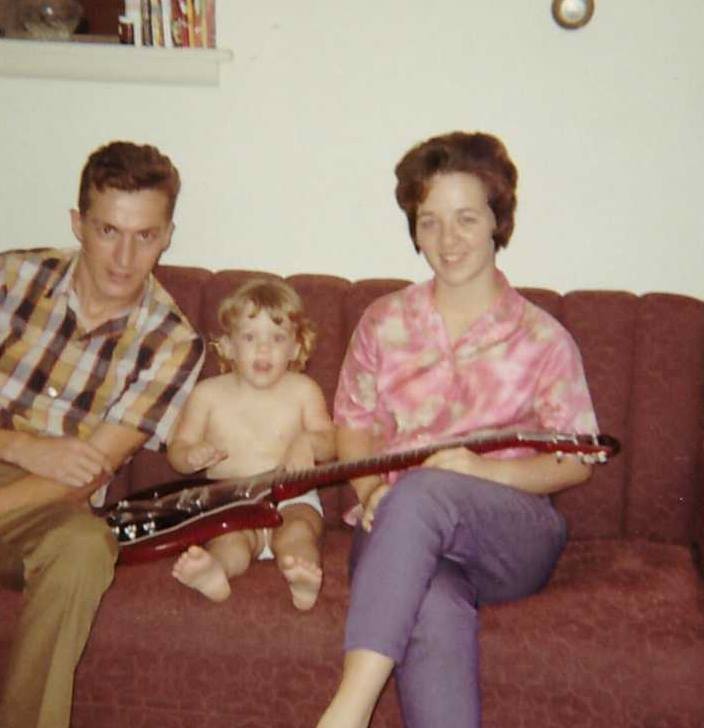
The older I get, the more I realize my storytelling has always been tangled up in music. In the songs my parents played on old records. In Johnny Horton drifting through the house when I was a child. In listening to KOMA out of Oklahoma City late at night. In John Denver albums, Merle Haggard records, bluegrass harmonies, Bakersfield guitars, red dirt bar bands, and songs that carried me through heartbreak years later.
Music has never really been background noise for me. It has always been memory. Story. Geography. Emotion. A way of understanding people and places I loved long before I had the words to explain why they mattered.
Some of my earliest memories of country music belong to my parents.
Johnny Horton singing about blizzards and distance in “When It’s Springtime in Alaska.” Merle Haggard records spinning somewhere in the background of childhood. “Okie from Muskogee.” “Mama Tried.” Eddie Rabbitt singing “Driving My Life Away” while highways rolled endlessly through the imagination of a kid who had barely traveled anywhere yet. Dolly Parton teaching entire emotional truths in three-minute songs with “Jolene” and “Coat of Many Colors.” Buck Owens carrying the Bakersfield sound into our house long before I understood how much western history and migration lived inside that music.
Grandma loved Chet Atkins. Smooth guitar lines that felt entirely different from the rougher outlaw country I heard elsewhere. The older I get, the more I think families pass down emotional landscapes through music without realizing they are doing it.
At night I would listen to KOMA drifting out of Oklahoma City through static and darkness. There was something magical about that kind of radio. Songs arriving from hundreds of miles away across the plains long after the rest of the house had gone to sleep. The music felt bigger because of the distance. Like the world itself was larger than I understood yet.
John Denver was the first album I ever bought for myself.
But even before that, his music already belonged to childhood.
I can still remember all of us cousins riding into town in the back of Grandma’s truck singing “Country Roads” at the top of our lungs like kids do when they don’t yet know they are making memories that will last the rest of their lives. Mountains. Roads. Home. Even now, I think that song carries an entire era of my life inside it.
That feels important somehow.
Most of the music before that had belonged to somebody else first. My parents. My grandparents. Family records stacked in cabinets and played so often that the songs simply became part of the air of childhood. But buying my own John Denver album felt like the beginning of becoming myself. And John Denver understood something I already felt deeply even before I had words for it: that landscapes carry emotion. Mountains, highways, rivers, small towns, distance, longing for home. His music sounded like the West to me.
Somewhere after that came the outlaw years for me.
Willie Nelson and Merle Haggard together on “Pancho and Lefty.” David Allan Coe singing “You Never Even Called Me by My Name.” Dwight Yoakam bringing Bakersfield heartbreak and swagger into another generation in tight leather pants and bright blue boots. Songs that were rougher around the edges, more complicated, funnier, sadder, and somehow more honest all at once.
And underneath so much of it was the American West.
That probably explains why I eventually became both a writer and a historian of western American history and political history. The older I get, the more I realize the country music I loved most was often telling the same stories I would later spend years studying and teaching. Migration. Labor. Small towns. Highways. Pride. Loneliness. Reinvention. People trying to build lives in enormous landscapes that could be both beautiful and unforgiving.
Bakersfield country carried Dust Bowl history inside it whether I understood that yet or not. Bluegrass carried mountains and migration and old grief in its harmonies. Red dirt country carried bars and highways and hard years and survival.
Music taught me the emotional side of history long before graduate school ever taught me the academic side.
And somewhere along the way, the songs became tied to my own life too.
Reckless Kelly and Micky and the Motorcars carried me through my second divorce. I still have a picture somewhere with Micky Braun after a show from those years. Cross Canadian Ragweed became road-trip music. Turnpike Troubadours became writing music. Whiskey Myers sounded like the emotional weather of entire stretches of my life.
The older I get, the more I realize certain songs survive because they become attached to versions of ourselves we never completely leave behind.
Eric Church understands that kind of memory better than almost anybody. “Talladega.” “Springsteen.” Songs about realizing that moments disappear while somehow remaining emotionally permanent anyway.
“When I think about you, I think about seventeen…”
That line hits differently once you are old enough to understand how quickly entire decades can vanish.
And then there are newer songs that somehow still tap into those same old emotions. Zach Bryan’s “Something in the Orange.” Jason Aldean’s “Fly Over States.” Songs about distance and roads and overlooked places and people trying to hold onto moments before they disappear.
That may be what connects all the country music I have loved across decades and generations.
Not genre. Not politics. Not nostalgia.
Memory.
Songs tied to roads. Songs tied to heartbreak. Songs tied to family. Songs tied to places that still feel emotionally alive long after the moment itself is gone.
Maybe that is why “The Sound of a Million Dreams” hit me so hard when I first heard it. Because underneath all the guitars and lyrics and melodies is the simple truth that art matters because it helps us hold onto pieces of ourselves.
Maybe my voice will cut through the noise and stir up an old memory.
Maybe that is what storytellers are trying to do whether they are holding guitars, writing books, or standing in front of classrooms teaching history.
We are all just trying to keep certain stories alive a little longer.
Lately, Billy Currington’s “Wake Me Up” has been on repeat in my car. Forty years after Alabama. Decades after singing “Country Roads” in the back of my grandmother’s truck. Years after red dirt bar bands carried me through heartbreak and reinvention. The playlist keeps growing anyway.
That may be the strangest thing about music. The songs never really stop attaching themselves to our lives.
This year one of my seniors used a Cody Johnson lyric as her senior quote:
“When you have a chance take it. When you have a dream, chase it ’cause a dream won’t chase you back.”
And I remember thinking that every generation does this. We take pieces of ourselves and tuck them into songs. We let melodies carry our memories for us. Years later, all it takes is hearing a few notes and suddenly entire worlds come rushing back.
The older I get, the more I think music is one of the ways we keep from entirely losing the people we used to be.
The child listening to Johnny Horton on my parents’ stereo is still somewhere inside me. So is the girl singing “Country Roads” in the back of Grandma’s truck. So is the teenager listening to Alabama. So is the woman driving lonely highways with Reckless Kelly turned up loud enough to drown out a broken heart.
They all still exist in the songs.
Maybe that is why music matters so much to me. Not just country music. All music, really. Because songs become time machines. Emotional archives. Little pieces of life preserved in melody and memory.
Sometimes now I will be driving home across Albuquerque at dusk with the Sandias turning purple in the distance when a song comes on unexpectedly and suddenly I am not only here. I am seventeen. I am twenty-five. I am sitting beside Blue Mesa listening to “Feels So Right.” I am in the back of Grandma’s truck singing John Denver with my cousins. Entire versions of my life still waiting inside melodies I have carried for decades.
Funny how a melody sounds like a memory.


Leave a comment